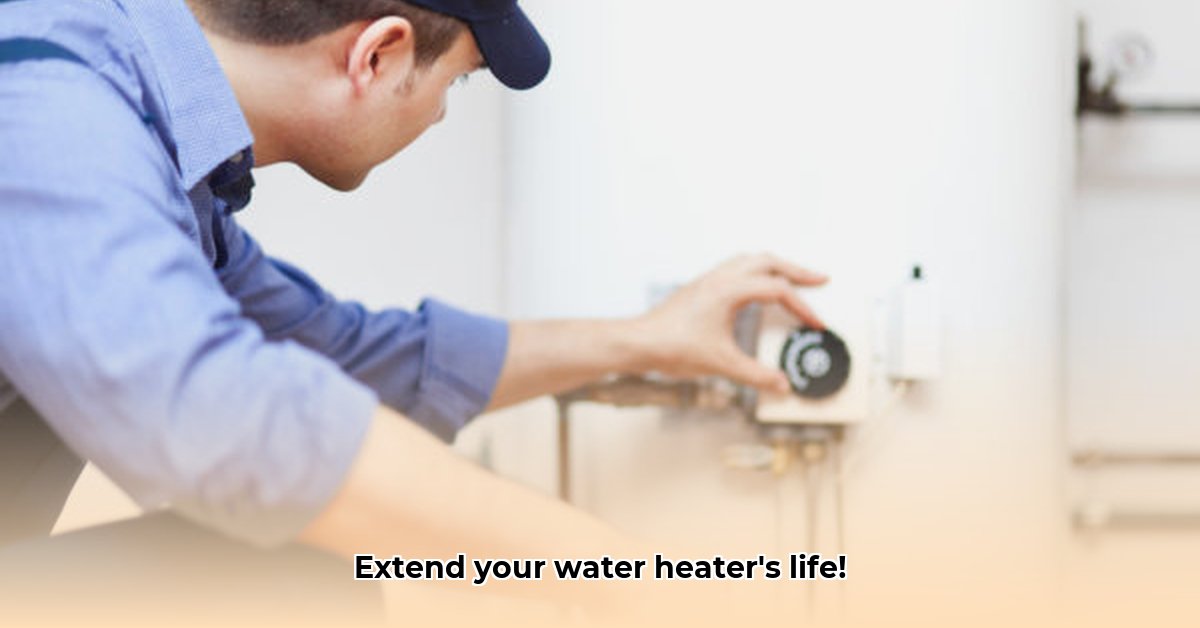
Why Flush Your Water Heater? Unlocking the Advantages
Is your water heater making strange noises? Running up your energy bills? These could be signs of sediment buildup, a common problem that reduces efficiency and shortens your water heater's lifespan. Regular flushing–a simple preventative maintenance task–can dramatically improve your water heater's performance and save you money.
This guide will show you how to flush your water heater, when to call a professional, and what risks to be aware of. We'll cover DIY flushing, professional services, and a risk assessment to make this process clear and straightforward.
Reap the Rewards: Key Benefits of Flushing
Flushing your water heater provides several significant benefits:
Lower Energy Bills: Sediment acts as insulation, hindering efficient heat transfer. Removing this buildup allows for faster heating, reducing energy consumption and your utility bills. Reports suggest potential energy savings of up to 10%.
Extended Lifespan: Sediment buildup causes corrosion and increased stress on internal components. Regular flushing significantly reduces this wear and tear, extending the life of your water heater and delaying costly replacements.
Fewer Repairs and Quieter Operation: Sediment buildup can lead to noisy operation (popping, rumbling), reduced water pressure, and premature failure. Flushing helps prevent these issues and costly repairs.
Cleaner Water: While not always visually apparent, sediment can affect water clarity and taste. A clean tank ensures cleaner, fresher water for all your needs.
When to Flush: A Timing Guide
The ideal flushing frequency depends on several factors:
Water Hardness: Hard water (high mineral content) leads to faster sediment accumulation, requiring more frequent flushing (every 6-12 months).
Water Usage: High hot water usage necessitates more frequent flushing (perhaps annually).
Warning Signs: Decreased hot water output, unusual noises from the tank, or discolored water are clear indicators that it's time to flush.
As a general rule, annual flushing is recommended for most households. However, if you notice any warning signs, don't delay!
How to Flush Your Water Heater (DIY): A Simplified Guide
Disclaimer: If you're not comfortable with plumbing, call a qualified plumber. Incorrect flushing can damage your water heater. This is a simplified guide; always refer to detailed instructions and visuals from reputable sources.
Steps:
Safety First: Turn OFF the power (electric) or gas supply to your water heater. This is paramount.
Gather Supplies: You'll need a garden hose, buckets, and possibly wrenches (depending on your model).
Locate the Drain Valve: Usually at the bottom of the tank.
Connect and Drain: Attach the hose to the drain valve and slowly open it, draining water into your buckets. Expect some discoloration (sediment).
Flush the Tank: Once mostly empty, turn on the cold water supply. Let it run until clear.
Reconnect and Refill: Close the valve, detach the hose, and turn the power/gas supply back on. Let the tank refill.
Restart: Turn on your water heater and let it heat up.
Professional Flushing: When to Call a Plumber
While DIY flushing is possible, professional service offers several advantages:
Expertise: Plumbers can identify other potential issues.
Thorough Inspection: A professional provides a complete system inspection.
Peace of Mind: Professional service ensures the job is done correctly.
Professional flushing is particularly recommended for older or complex systems.
Risk Assessment & Mitigation
| Risk Category | Probability | Impact | Mitigation |
|---|---|---|---|
| Water Damage | Medium | High | Use absorbent materials; prepare for spills. |
| Electrical Shock | Low | High | Ensure power is OFF. |
| Scalding Hot Water | Medium | Medium | Allow water to cool before handling. |
| Improper Repair | Low | Medium | Follow instructions carefully; consult a professional if unsure. |
Conclusion: Prioritize Preventative Maintenance
Regular flushing, whether DIY or professional, is a small investment with significant returns. It helps maintain your water heater's efficiency, extends its lifespan, and ultimately saves you money on energy bills and repairs. Don't wait until your water heater fails – make preventative maintenance a priority!